
The Bluebonnet House in late March 2023, surrounded by bluebonnets. The Marble Falls structure is famous worldwide for its rich Texas history, architectural style, and iconic Hill Country landscape, especially during wildflower season. Staff photo by Suzanne Freeman
Burnet and Llano counties are rich in history, from early frontier forts and pioneer settlements to mining, ranching, and railroad development. Sites like Fort Croghan and the Old Burnet County Jail reflect frontier and law enforcement life, while downtown Llano and the Llano County Historical Museum showcase the county’s growth since the days of the Wild West. The region also preserves cultural heritage through the Marble Falls Black History Museum, historic homes like the Bluebonnet House, and landmarks such as Dead Man’s Hole. Together, these sites highlight the people and stories that shaped the Highland Lakes area.

Fort Croghan – 703 Buchanan Drive in Burnet
- Fort Croghan was the third of four U.S. forts built to protect early settlers on the frontier and is now a living-history museum featuring restored cabins, a blacksmith shop, a schoolhouse, and other frontier structures. Named for Colonel George Croghan, a War of 1812 officer, the fort is open seasonally and hosts special events throughout the year, including an annual Christmas celebration.
Llano County Museum – 310 Bessemer Avenue in Llano
- The Llano County Historical Museum presents the county’s history through exhibits focused on settlement, mining, ranching, and railroads. Housed in the former Bruhl’s Drugstore, the museum features artifacts such as a 1919 Studebaker wagon, mineral displays, and a large painting of the 1873 Battle of Packsaddle Mountain. Together, the collection highlights the people and events that shaped Llano County from its earliest settlers to the early 20th century.
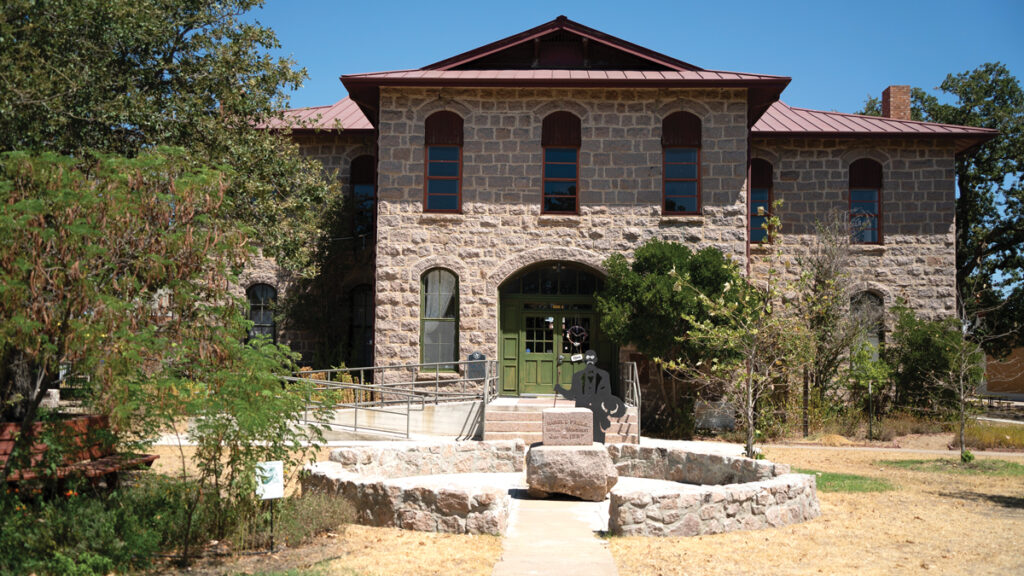
The Falls on the Colorado Museum – 2001 Broadway in Marble Falls
- The Falls on the Colorado Museum traces local history from the area’s earliest settlers to the modern city. Exhibits include a replica of an 1850s corn and flour mill built by early Mormon settlers, displays explaining the town’s name and granite industry, and artifacts tied to the railroad, quarrying, and civic leaders. Additional rooms highlight everyday life, education, Native American history, paleontology, and local archives, offering a broad view of the people and events that shaped Marble Falls.
Llano Railroad Museum – 100 Train Station Drive in Llano
- The Llano River Railroad highlights the role rail transportation played in Llano’s growth after tracks reached the town in 1892. Through the restored depot and museum exhibits, it preserves the history of freight, mining, and passenger rail service that supported local industries and connected Llano to Central Texas for more than a century.
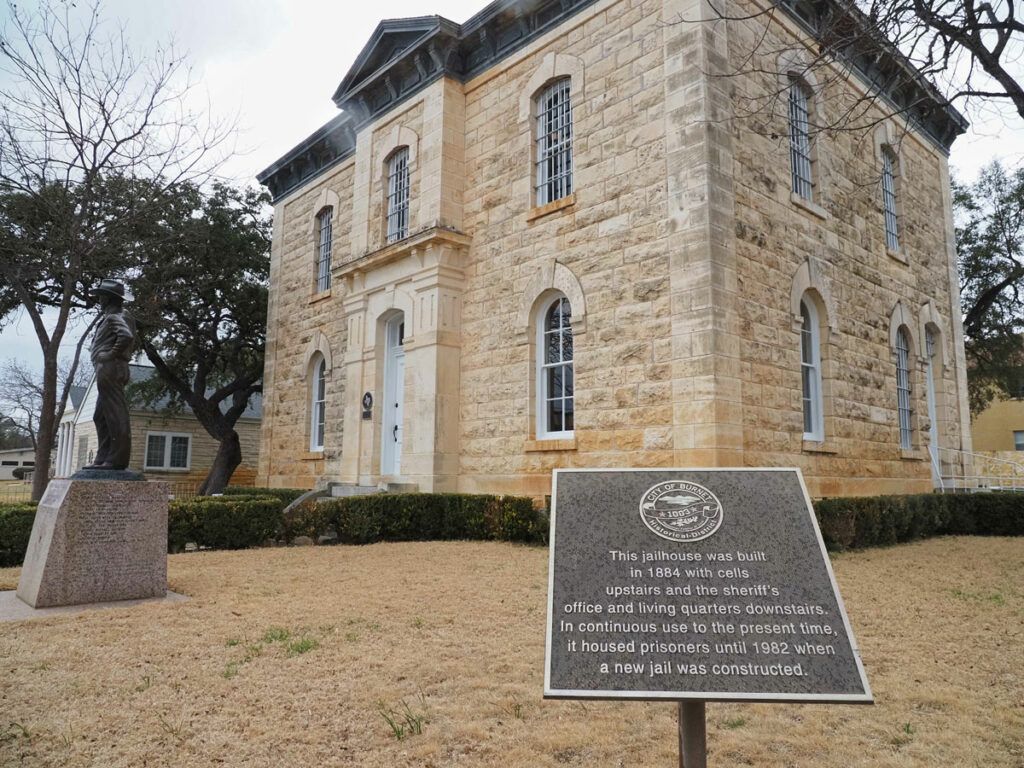
Old Burnet County Jail – 109 S. Pierce Street in Burnet
- The Old Burnet County Jail offers a glimpse into local law enforcement and daily life in the late 19th century. Built in 1884, the restored limestone jail now serves as a museum with exhibits on county history, early justice practices, and notable residents, helping tell the story of Burnet County’s frontier-era development.
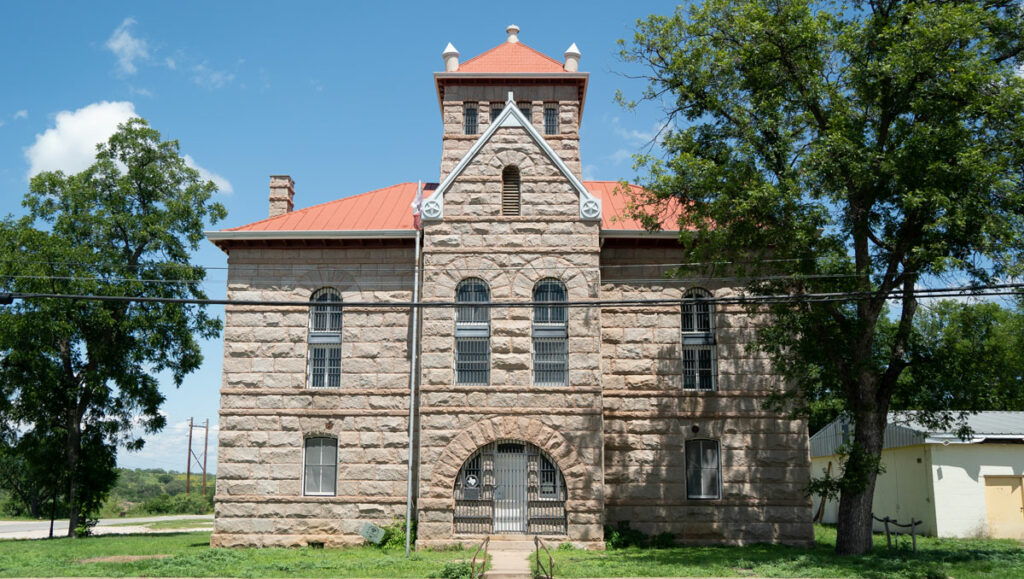
Old Red Top Jail – 400 Oatman Street in Llano
- The Red Top Jail, built in 1895 from solid granite, showcases frontier-era law enforcement. The first floor housed the jailer’s family, while the second contained prisoner cells, including a women’s cell, with graffiti documenting decades of incarceration. Upper floors include an observation deck and a death tower with trapdoors for executions, though none were ever carried out. Today, the jail serves as a museum, preserving stories of escapes, daily life behind bars, and Llano’s historic justice system.

Stringtown Cemetery – near Oatmeal and Bertram
- Stringtown Cemetery is the historic burial ground of a post–Civil War all‑Black settlement known as a Freedom Colony, where formerly enslaved people built homes, a church, and a school in the late 1800s. Only the cemetery remains of the original community, with about 70 graves, many unmarked, dating from the 1870s through the 1960s.

Marble Falls Black History Museum – 301 Avenue N in Marble Falls
- The Black History Museum at the historic St. Frederick Baptist Church, celebrates the lives and achievements of African Americans in the Highland Lakes region. Exhibits honor both national figures and local residents, including Edward Abney, a Marble Falls graduate and medical technician innovating in cataract surgery. The museum also highlights the church’s own history, founded in 1893 by freed slave Dicey Yett Johnson, who, along with her husband, established a school for Black children.
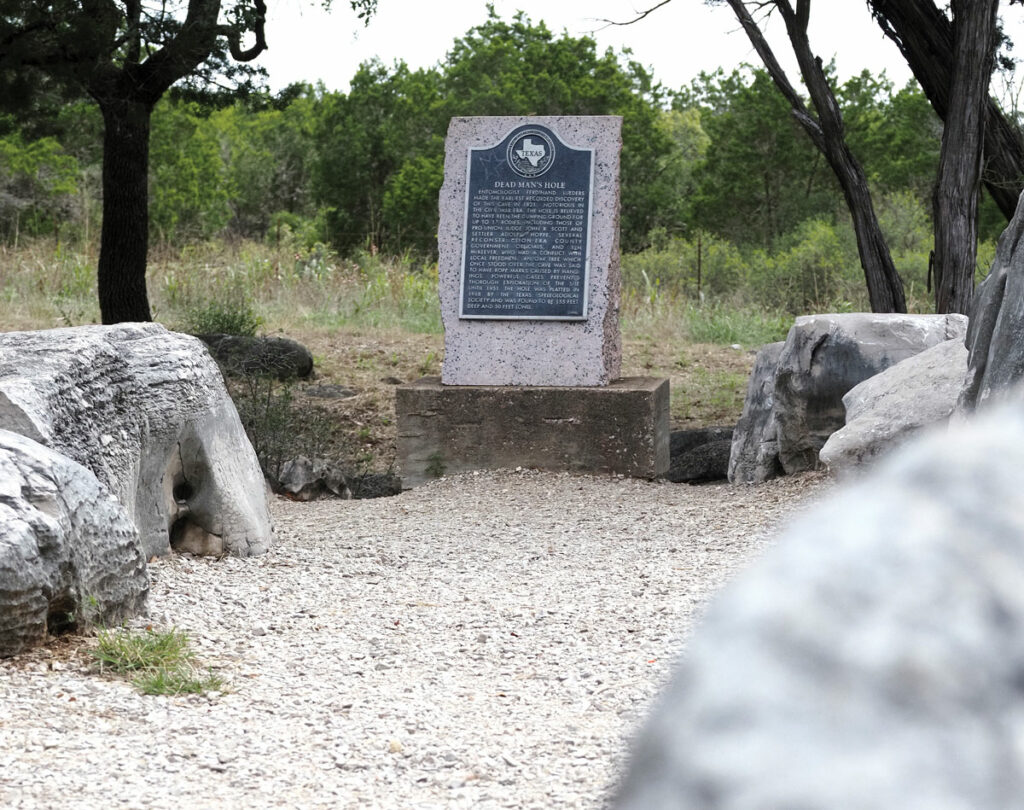
Deadman’s Hole – Burnet County Road 401 North between FM 2147 and Texas 71
- Dead Man’s Hole is a historic sinkhole tied to Burnet County’s violent Civil War-era history. At least 17 men, including Unionist Judge John R. Scott and local German settlers, were killed or dumped there by Confederate sympathizers in the 1860s. Later murders added to its grim reputation. Today, the site is recognized with a Texas historical marker and is part of a public park, with the hole covered for safety.
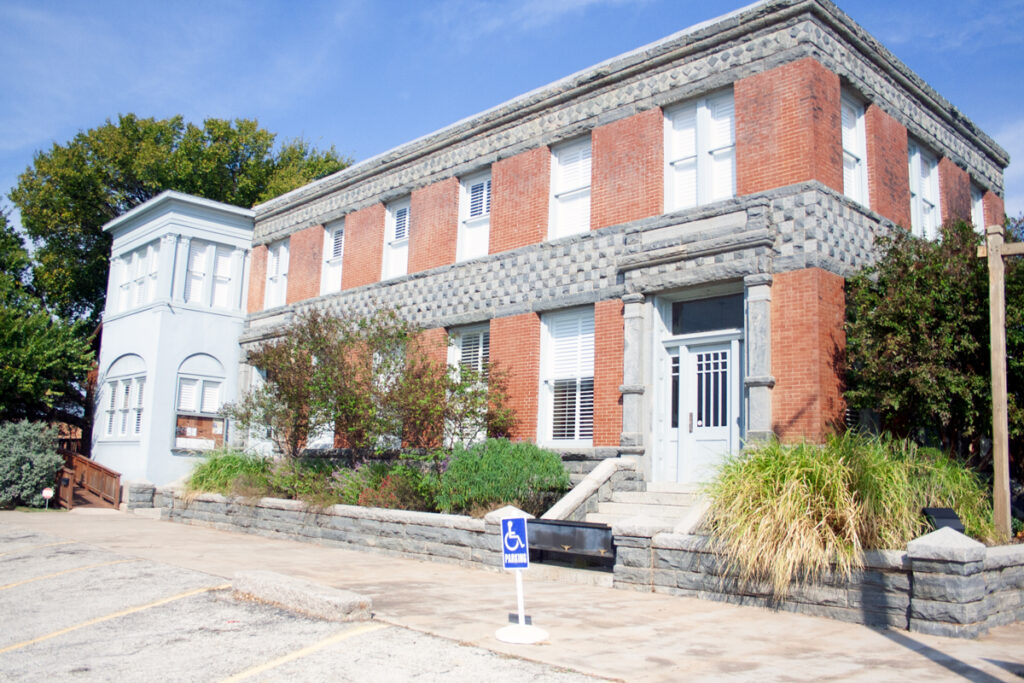
- Downtown Llano reflects its 19th‑century roots as the county seat, growing through mining, ranching, and the railroad. Key historic sites include the Llano County Courthouse (1893), Red Top Jail (1895), the Badu Building (1891), and original storefronts along Main Street, with the Llano County Historical Museum preserving local artifacts and pioneer structures.

Airy Mount – 1819 E. Polk Street in Burnet
- Airy Mount, now a coffeeshop, sits on the original Airy Mount homestead, once owned by Adam Rankin Johnson, a founder of nearby Marble Falls. The site also includes one of Burnet County’s older barn structures, dating back to the early 1880s, reflecting the area’s 19th‑century settlement and development.
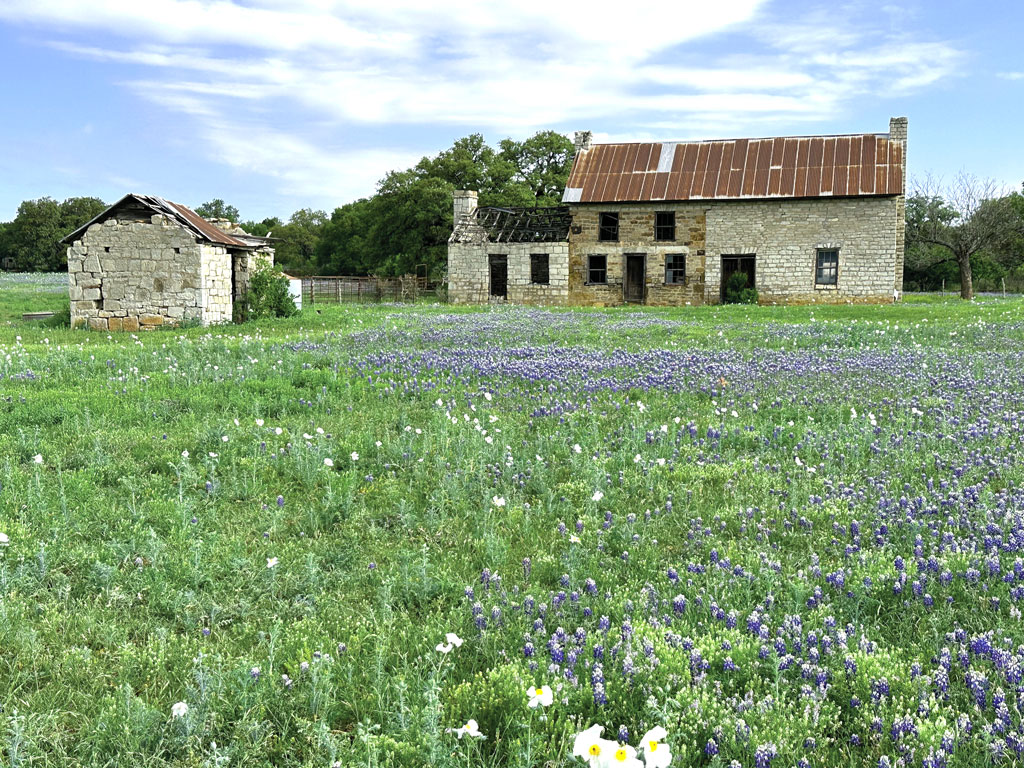
Bluebonnet House – 4554 N U.S. 281 in Marble Falls
- The Bluebonnet House, constructed around 1853, is one of Marble Falls’ oldest and most historically significant structures. Originally home to early settlers Christian and Annie Dorbandt, the limestone two-story house witnessed the growth of the surrounding area during the mid-19th century, including the arrival of key families who helped establish the community.
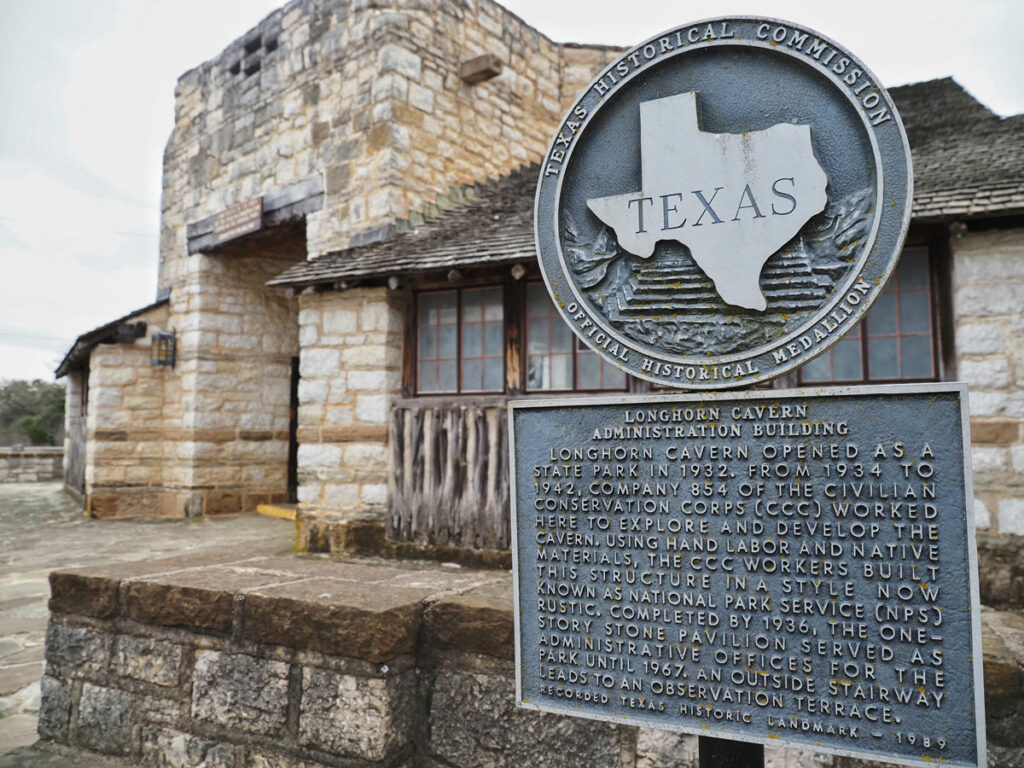
Longhorn Cavern Administration Building – 6211 Park Road 4 in Burnet County
- Built in 1936 by Company 854 of the Civilian Conservation Corps using local materials, this structure served as the park’s headquarters until 1967, with its upper portion functioning as an observation deck.